By Maura Keller | Photo: ©Visit Overland Park

The Midwest has firmly established itself as a powerhouse in sports tourism, offering meeting and event planners a compelling combination of accessibility, affordability and executional excellence.

Once overlooked in favor of coastal markets, cities across the region are now attracting — and retaining — major sporting events at every level, from youth tournaments to international competitions.

What’s driving this momentum is not just geography, though the Midwest’s central location certainly helps.

It’s also the strategic investment in facilities, the intentional development of infrastructure and the collaborative spirit that defines these destinations.

Planners today are seeking more than just venues — they want seamless logistics, strong local partnerships and experiences that extend beyond the field of play.

From Kansas to Indiana, Midwestern cities are delivering on all fronts. Each destination, from Overland Park to Indy, brings its own strengths to the table, yet all share a commitment to creating memorable, high-performing events that keep planners returning year after year.

OVERLAND PARK, KANSAS

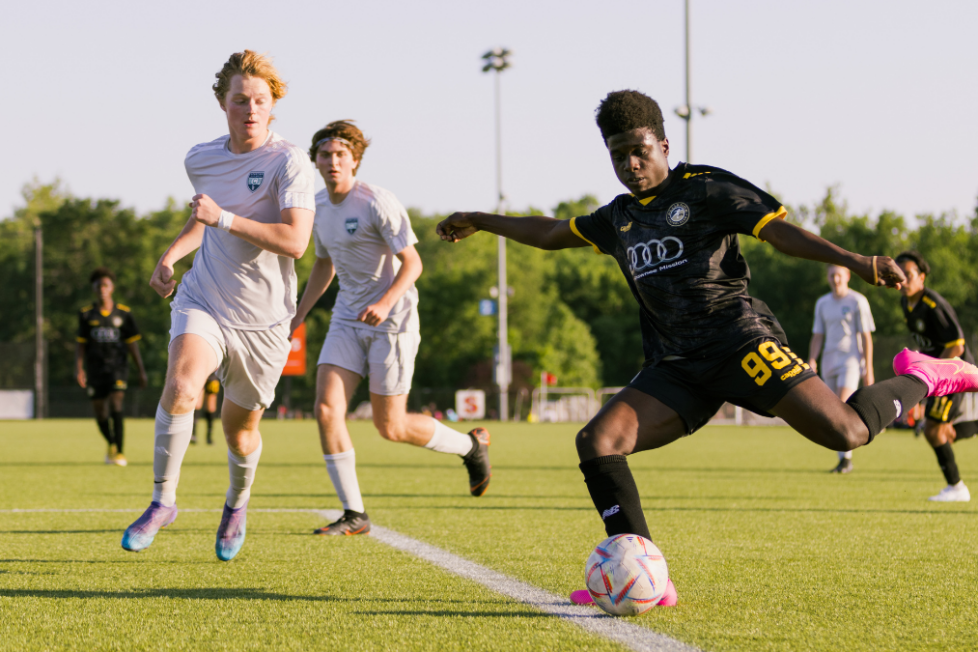
Overland Park has quietly, but effectively positioned itself as one of the Midwest’s most reliable destinations for youth and amateur sports. Its success lies in a strategic approach: Understanding its niche and consistently delivering high-quality experiences tailored to event organizers’ needs.

“A multitude of reasons are responsible for event planners to select Overland Park as an ideal destination,” says Eric Olson, vice president of sports and events at Visit Overland Park. “Overland Park is ideally located in the middle of America — often referred to as the Heart of America — easily accessible to travelers arriving by air or car.”

That accessibility is a major draw, but it’s only part of the equation. The city offers a robust hotel inventory, with 35 properties and more than 4,700 rooms, providing a range of options for accommodations. These hotels are strategically distributed throughout the city, ensuring proximity to venues, dining and entertainment.

Facilities are another cornerstone of Overland Park’s appeal. The Scheels Overland Park Soccer Complex has been a key driver of sports tourism since its development, hosting over 20 national tournaments and championships annually. The city is also emerging as a pickleball hub, recently earning recognition as the most “pickleball-obsessed” city in the U.S. and securing major events through partnerships with professional organizations.

Looking ahead, Overland Park is expanding its capabilities with the AdventHealth Sports Park at Bluhawk. The first phase, opened in 2024, includes a National Hockey League (NHL)-sized ice sheet and 80,000-square-foot fieldhouse with basketball and volleyball courts.

Phase 2 will add more ice, pickleball courts and flexible event space, further strengthening the city’s position.

Despite its growth, Overland Park remains focused on hosting events that align with its size and strengths.

“When it comes to sports tourism events that seek out small to medium-size markets, we often punch above our weight class,” Olson says.

This intentional strategy allows the city to deliver a high level of service.

Visit Overland Park plays a key role in that experience, offering dedicated support to planners.

“We often say we’re here to complement, not complicate,” Olson explains. “Our goal is to enhance the experience for athletes, spectators and event staff.”

Beyond the venues, the city’s amenities add value for visiting teams.

From shopping and dining districts to outdoor attractions like the 300-acre Overland Park Arboretum & Botanical Gardens, the area provides a well- rounded experience that extends beyond competition.

As the Kansas City region prepares to host the FIFA World Cup 2026, Overland Park is also gearing up to welcome international visitors. With nearby team basecamps and regional activity, the city’s hotels, restaurants and businesses are preparing to engage a global audience, further elevating its profile on the sports tourism stage.

KANSAS CITY, MISSOURI

Kansas City has emerged as one of the Midwest’s premier sports destinations, combining big-city amenities with a level of accessibility and affordability that appeals to planners.

“Kansas City’s central location, affordability and impressive roster of sports facilities are always top of the list in planner feedback,” says Becky Harsch, CMP, national account manager at Visit Kansas City.

“Kansas City is easy to get to and, once you’re here, athletes, families and fans find unforgettable experiences without breaking the bank,” she says.

The city’s infrastructure is built to support events of all sizes. The Kansas City Convention Center alone offers more than 800,000 square feet of event space, including nearly 400,000 square feet of column-free exhibit space – ideal for large-scale tournaments.

Beyond the convention center, Kansas City boasts an impressive lineup of venues, including the T-Mobile Center, the Hy-Vee Arena and a growing number of multisport complexes.

Major stadiums like Arrowhead Stadium and Kauff man Stadium further expand the city’s capabilities, hosting everything from professional sports to large-scale events.

Kansas City’s reputation as a hub for soccer continues to grow as well, with facilities like the newly built CPKC Stadium, the first stadium designed specifically for a professional women’s soccer team.

Accessibility remains a key advantage.

“We’re just a three-hour flight from either coast and over 55 million people are within a day’s drive,” Harsch says.

Once in the city, attendees benefi t from a walkable downtown and the free KC Streetcar, which connects major districts and attractions.

The city’s hotel inventory supports large events with ease. With more than 36,000 rooms across the metro and over 6,000 within walking distance of the convention center, planners can accommodate significant group sizes while keeping costs manageable.

Equally important is Kansas City’s collaborative approach.

“Relationships are important in this industry,” Harsch says. “We consistently hear from planners that the Visit KC team feels like an extended part of their own staff .”

That spirit of partnership has been instrumental in securing major events, including the FIFA World Cup 2026.

Aft er more than a decade of planning and collaboration, Kansas City will host six matches and welcome an estimated 650,000 visitors, generating significant economic impact.

Beyond the competition, Kansas City offers a rich array of experiences. From world-class museums to a vibrant culinary scene anchored by its famous barbecue, the city provides ample opportunities for attendees to explore and engage.

INDIANAPOLIS, INDIANA

Few cities in the U.S. can match Indianapolis when it comes to hosting major sporting events. With decades of experience and a purpose-built downtown, the city has earned its reputation as the gold standard.

“Planners continue to return again and again because Indianapolis consistently raises the bar for major sporting events,” according to Justus O’Neil, the partner engagement manager at Visit Indy. “Indy combines a proven hosting record, experienced event partners, a concentrated downtown footprint and venue flexibility.”

At the heart of the city’s success is its connected downtown campus. Major venues, hotels and meeting spaces are all located within walking distance — and are often connected via climate- controlled skywalks.

“This allows attendees to move efficiently between hotels, meeting spaces and competition venues with far less dependence on shuttles,” O’Neil explains.

“For planners, that translates into tighter schedules, lower transportation costs and a better attendee experience.”

Moreover, Indianapolis offers a diverse range of facilities to support events of all types and sizes. Lucas Oil Stadium can accommodate large-scale events and has demonstrated remarkable versatility, including hosting the Olympic swimming trials. Meanwhile, Gainbridge Fieldhouse serves as a premier venue for basketball and other competitions. The Indiana Convention Center provides extensive space for ancillary events.

The city’s basketball pedigree remains a defining feature.

From National Collegiate Athletic Association (NCAA) Final Fours to high school championships and professional events, Indianapolis has hosted some of the sport’s most significant moments.

Logistics are another area where Indy excels. The city’s compact layout simplifies transportation and crowd flow, while coordinated planning ensures smooth execution for high- volume events.

Indianapolis’ hotel capacity enhances its appeal. With approximately 7,100 downtown rooms — 4,700 of which are connected via skywalks — the area offers unmatched convenience for meetings, events and sports competitions. Additional hotel developments are underway, further reflecting the city’s continued growth.

Beyond the venues, Indianapolis delivers a vibrant downtown experience. With more than 250 restaurants, cultural attractions and green spaces, the city offers a dynamic environment for attendees.

Looking ahead, significant investments — including a convention center expansion and new hotel developments — are positioning Indianapolis to remain at the forefront of sports tourism. “There’s currently $3 billion in new tourism infrastructure underway in Indy,” O’Neil says.

As sports tourism continues to grow, Indianapolis destinations are proving they have the infrastructure, expertise and community support to compete at the highest level. And for planners looking to host their next event in Indy, that promise is translating into results on and off the field.

WICHITA, KANSAS

Wichita is another city proving that size is no barrier to success in sports.

With a strong track record, a growing portfolio of events and a highly engaged community, the city is rapidly gaining recognition as a top-tier destination in the Midwest.

Wichita’s capabilities are rooted in its diverse facilities. With 50 venues, including a 15,000-seat arena and dozens of courts and fields, the city can accommodate a wide range of events. Its varied portfolio of facilities accommodates everything from large-scale national tournaments to specialized competitions.

The city’s affordability and accessibility additionally enhance its appeal. Centrally located with a modern airport offering 16 nonstop flights, Wichita is easy for teams and spectators to reach. Its compact layout simplifies logistics, with venues, hotels and attractions located within close proximity.

“Being named Best Sports-Event Host City is a testament to our city’s passion for sports, and our proven ability to attract and successfully host high-caliber sporting events,” says Josh Howell, vice president of sports development at Visit Wichita.

“We know, now more than ever, that Wichita doesn’t sit on the sidelines. We get in the game. From the residents, fans, business owners and hospitality workers to the volunteers and community partners who all played a part in turning national sporting events into unforgettable experiences, this recognition is a testament to our city’s heart and we’re ready for what’s next,” he says.

Wichita’s momentum is evident in its recent successes, including hosting more than 100 sporting events in a single year and securing multiple fi rst-time national championships.

The city has also landed multi-year commitments, such as the US Youth Soccer National Presidents Cup.

“There is tremendous momentum when it comes to hosting sporting events in Wichita,” Howell affirms.

“From gymnastics to judo and beyond, it takes our entire community — from venues and volunteers to hotels, restaurants and local partners — to deliver the kind of welcoming, high- quality experience that keeps these events coming back. That’s what truly sets Wichita apart,” he emphasizes.

Its community-driven approach is perhaps the city’s greatest strength.

“Wichitans don’t just sit on the sidelines,” Howell stresses.

“From the energy inside our venues to the experiences visitors have across the city, it’s that community spirit that turns competitions into unforgettable moments,” he concludes.

Author

  • Based in Minneapolis, Maura Keller is a seasoned writer, editor and author, with more than 24 years of experience. She has written about business, meetings, event planning and design, marketing and healthcare for dozens of publications, as well as Fortune 50 companies.